
There’s a peculiar irony unfolding in the marketing world right now. We’re witnessing an explosion of AI marketing tools that promise to revolutionise everything from content creation to customer segmentation, yet many marketing teams report feeling more disconnected from their audiences than ever before.
The problem isn’t with artificial intelligence itself—it’s brilliant technology with genuine potential. The issue lies in how we’re approaching its implementation. Most AI marketing tools are designed with a fundamental misunderstanding of what marketers actually need.
The Automation Obsession
Walk through any marketing conference or scroll through LinkedIn, and you’ll be bombarded with AI tools promising to automate your way to success. Generate a thousand blog post ideas in seconds! Automate your entire email sequence! Let AI write your social media captions!
These tools are solving for speed and volume, operating under the assumption that marketing’s biggest challenge is efficiency. But speak to any seasoned marketing professional, and they’ll tell you something different: the real challenge isn’t doing things faster—it’s knowing which things to do in the first place.
Marketing automation has been around for years, and whilst it’s undoubtedly useful, it’s also created a generation of marketers who are excellent at executing campaigns but struggle with strategic thinking. We’ve become so focused on the how that we’ve lost sight of the why.
The Measurement Gap
Consider how most businesses approach marketing measurement today. They’ve got dashboards bursting with data—click-through rates, engagement metrics, conversion funnels, heat maps. AI marketing tools promise to make sense of this data deluge by automatically identifying trends and optimising campaigns.
On the surface, this sounds logical. In practice, it often leads to what I call “metric tunnel vision.” Teams become obsessed with improving numbers that may have little correlation with actual business outcomes. They optimise for metrics that AI can easily measure rather than the outcomes that truly matter.
Take a recent example from a client’s experience. Their AI-powered email platform was automatically optimising send times and subject lines, consistently improving open rates by small percentages. The team was delighted with the “improvement” until they realised that despite higher open rates, actual sales from email campaigns had declined over the same period.
The AI was solving for the wrong problem. It was optimising for engagement rather than quality engagement. It couldn’t distinguish between a customer opening an email out of genuine interest versus mere curiosity. More importantly, it couldn’t factor in the qualitative aspects of brand perception that influence long-term customer relationships.
The Human Element
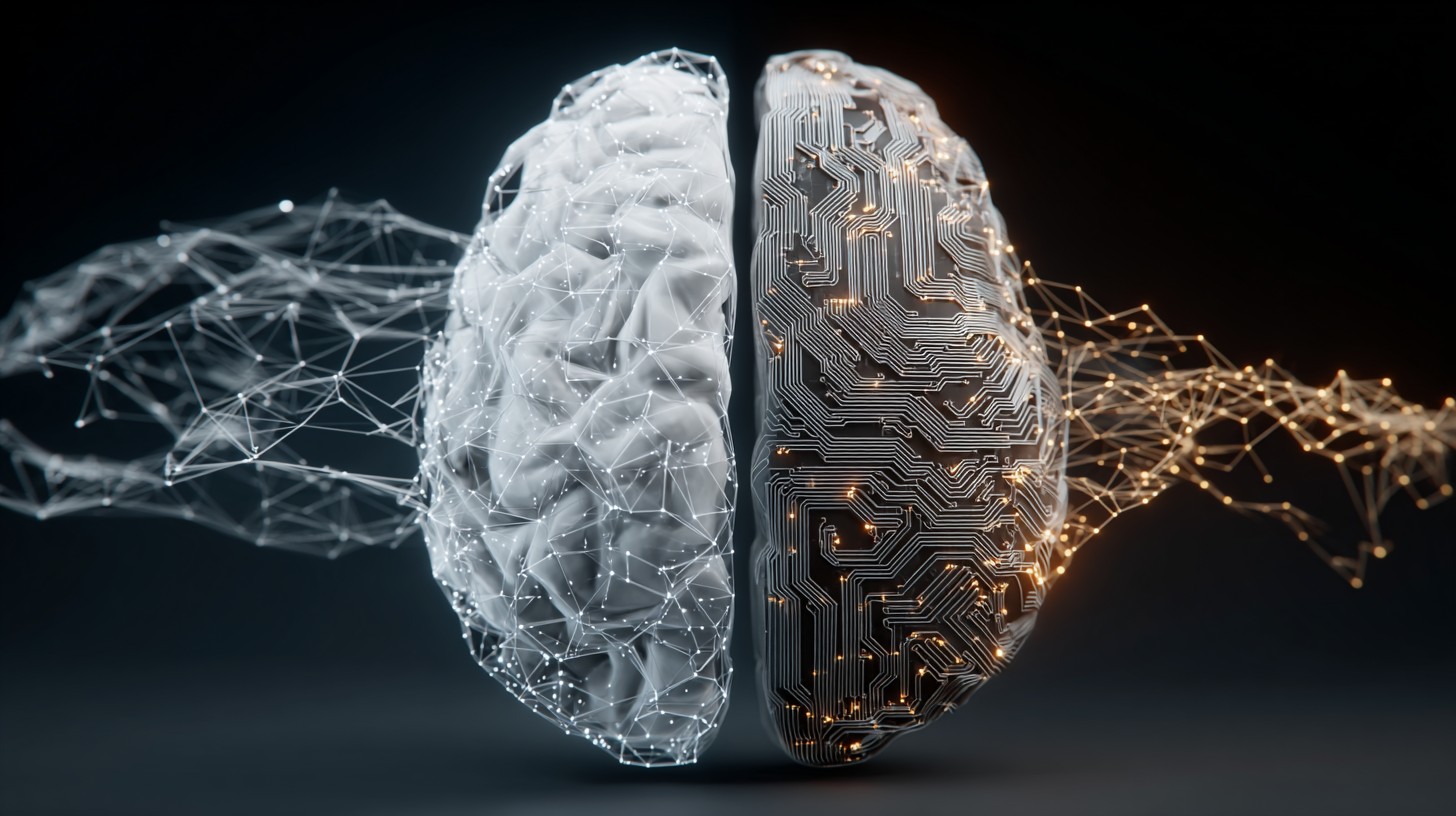
This brings us to the crux of the issue: AI marketing tools are most effective when they enhance human judgment rather than replace it. The magic happens when artificial intelligence handles data processing and pattern recognition whilst humans focus on interpretation and strategic decision-making.
Think about the most successful marketing campaigns you’ve encountered. They succeed not because they’re perfectly optimised for metrics, but because they resonate with human emotions and experiences. They tell compelling stories, address genuine pain points, or tap into cultural moments. These are inherently human insights that require context, empathy, and creative interpretation.
AI excels at identifying patterns in large datasets, but it struggles with the nuanced understanding of human behaviour that effective marketing requires. It can tell you that video content performs better on social media, but it can’t tell you why a particular video resonates with your audience or how to replicate that emotional connection in future campaigns.
Augmentation Over Replacement
The most effective approach to AI-era marketing involves using these tools to augment human capabilities rather than replace them. This means treating AI as a sophisticated research assistant rather than a creative director.
For instance, instead of letting AI automatically optimise your campaigns, use it to surface insights that inform your strategic decisions. Let it identify anomalies in your data that warrant investigation. Use it to process customer feedback at scale and highlight themes that require human interpretation.
This approach requires a different mindset from marketing teams. Rather than seeking tools that promise to automate decision-making, look for those that enhance your ability to make better decisions. The goal shouldn’t be to remove human judgment from the equation—it should be to make that judgment more informed and strategic.
The Strategic Imperative
Companies that embrace this augmentation approach are already seeing competitive advantages. They’re using AI to process vast amounts of customer data whilst relying on human insight to identify opportunities for meaningful engagement. They’re automating routine tasks whilst freeing up their teams to focus on creative problem-solving and strategic thinking.
This shift requires investment in both technology and human development. Teams need to become comfortable working alongside AI tools whilst developing stronger strategic and analytical skills. The most valuable marketers in the AI era won’t be those who can use the most automation tools—they’ll be those who can combine AI capabilities with human insight to drive genuine business outcomes.
The measurement gap I mentioned earlier is a perfect example. The solution isn’t better AI measurement tools—it’s helping marketing teams develop better frameworks for connecting metrics to business outcomes. AI can process the data and identify correlations, but humans need to determine causation and strategic implications.
Looking Forward
As AI marketing tools continue to evolve, we’re likely to see a split between companies that use them as sophisticated automation platforms and those that treat them as decision-support systems. The former will likely see short-term efficiency gains followed by strategic stagnation. The latter will build sustainable competitive advantages by combining artificial intelligence with enhanced human judgment.
The most successful marketing organisations of the future will be those that resist the temptation to automate everything and instead focus on augmenting their teams’ ability to think strategically about their audiences, markets, and opportunities.
The question isn’t whether AI will transform marketing—it already has. The question is whether we’ll use it to become better marketers or simply faster ones. What do you think makes the difference?
Ready to explore how AI can augment your marketing strategy without replacing human insight? Get in touch to discuss your specific challenges and opportunities.